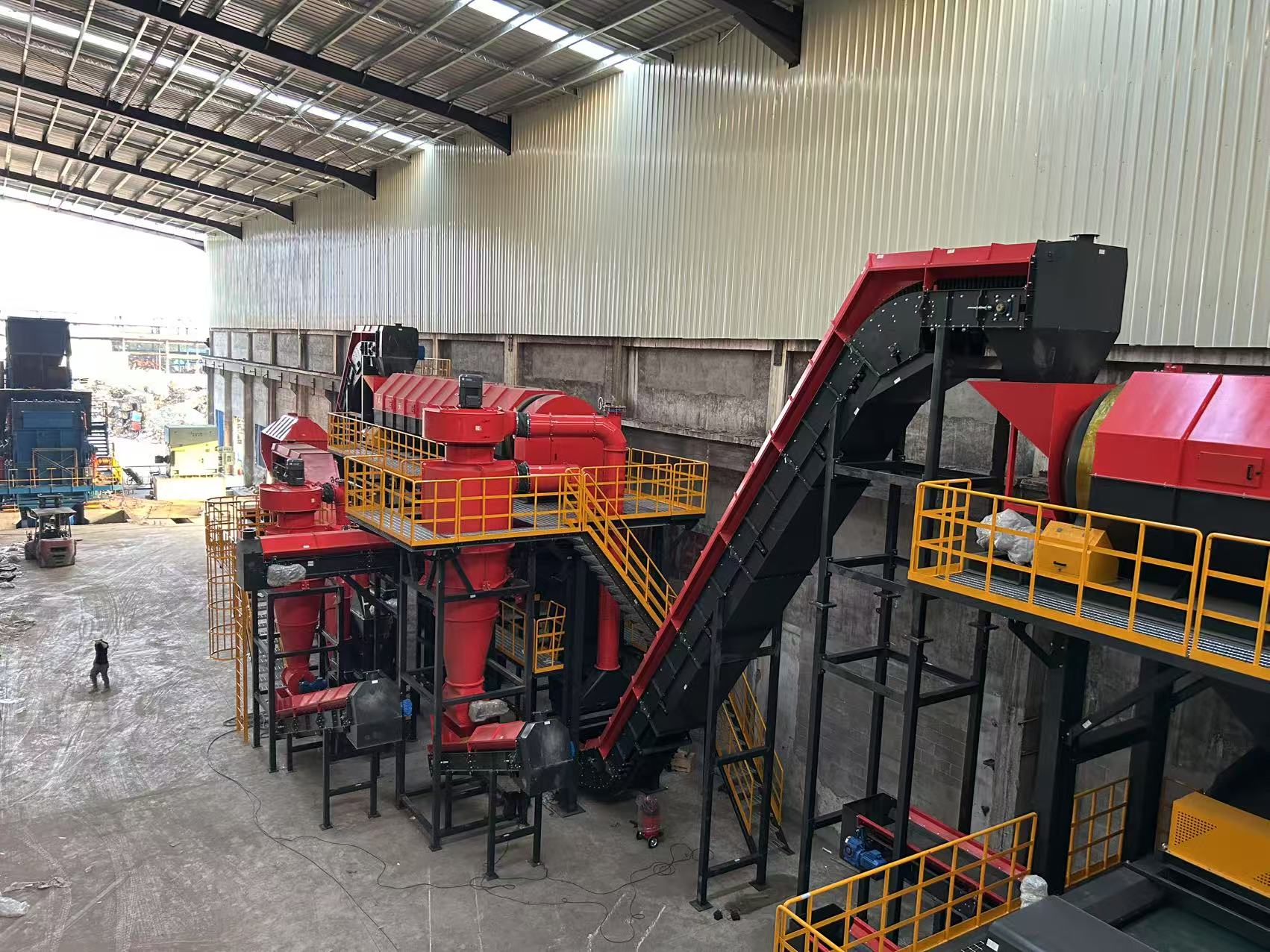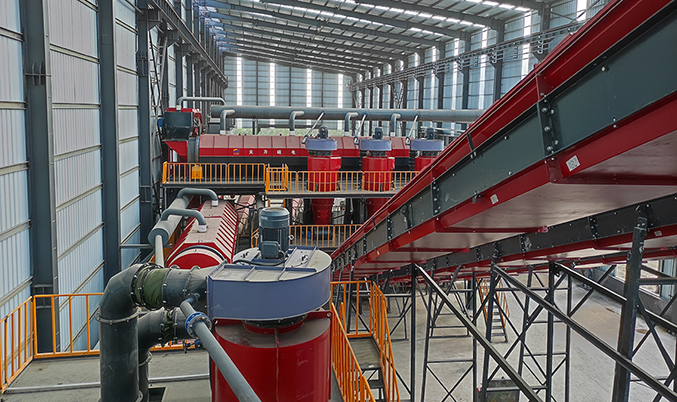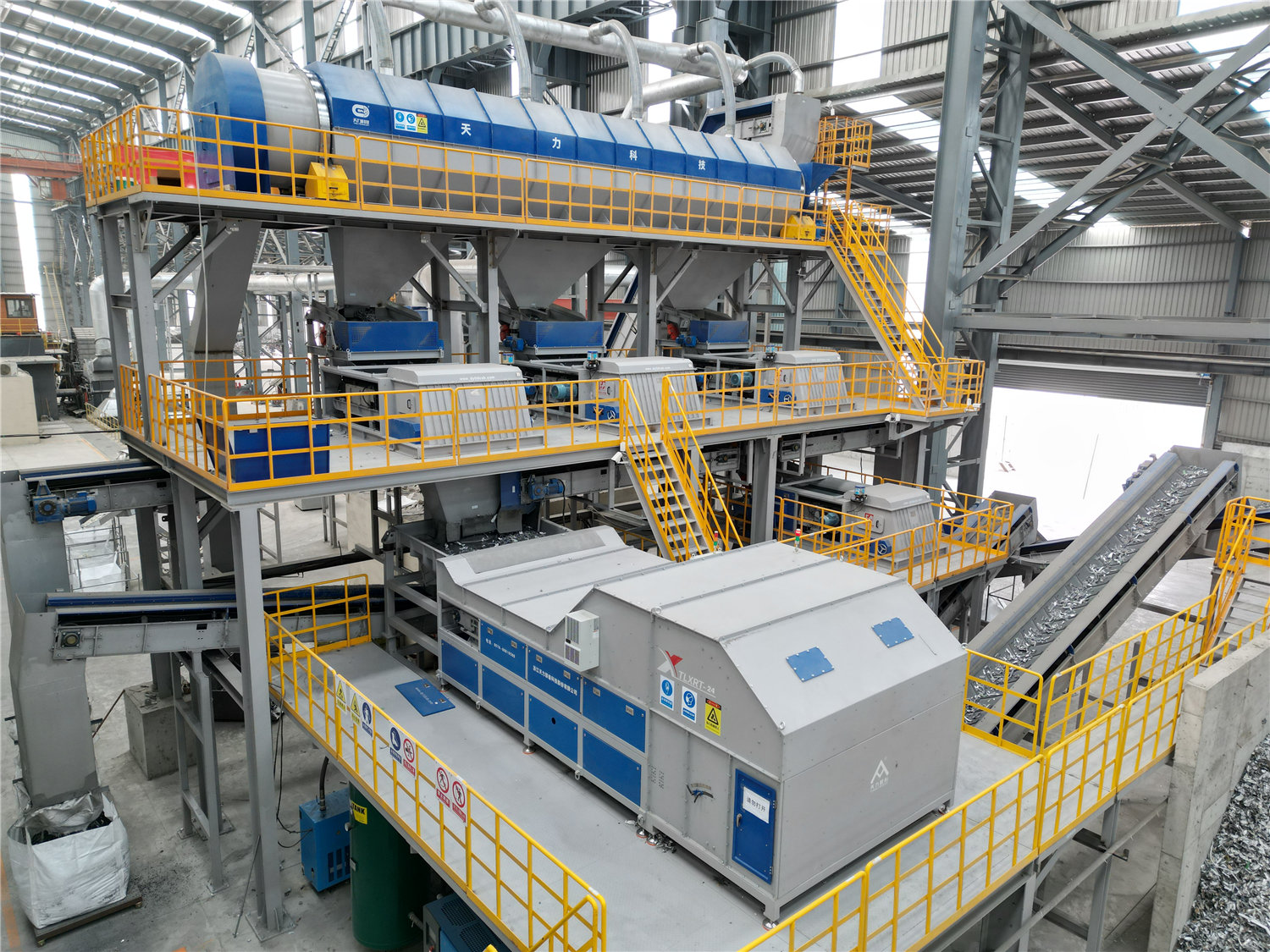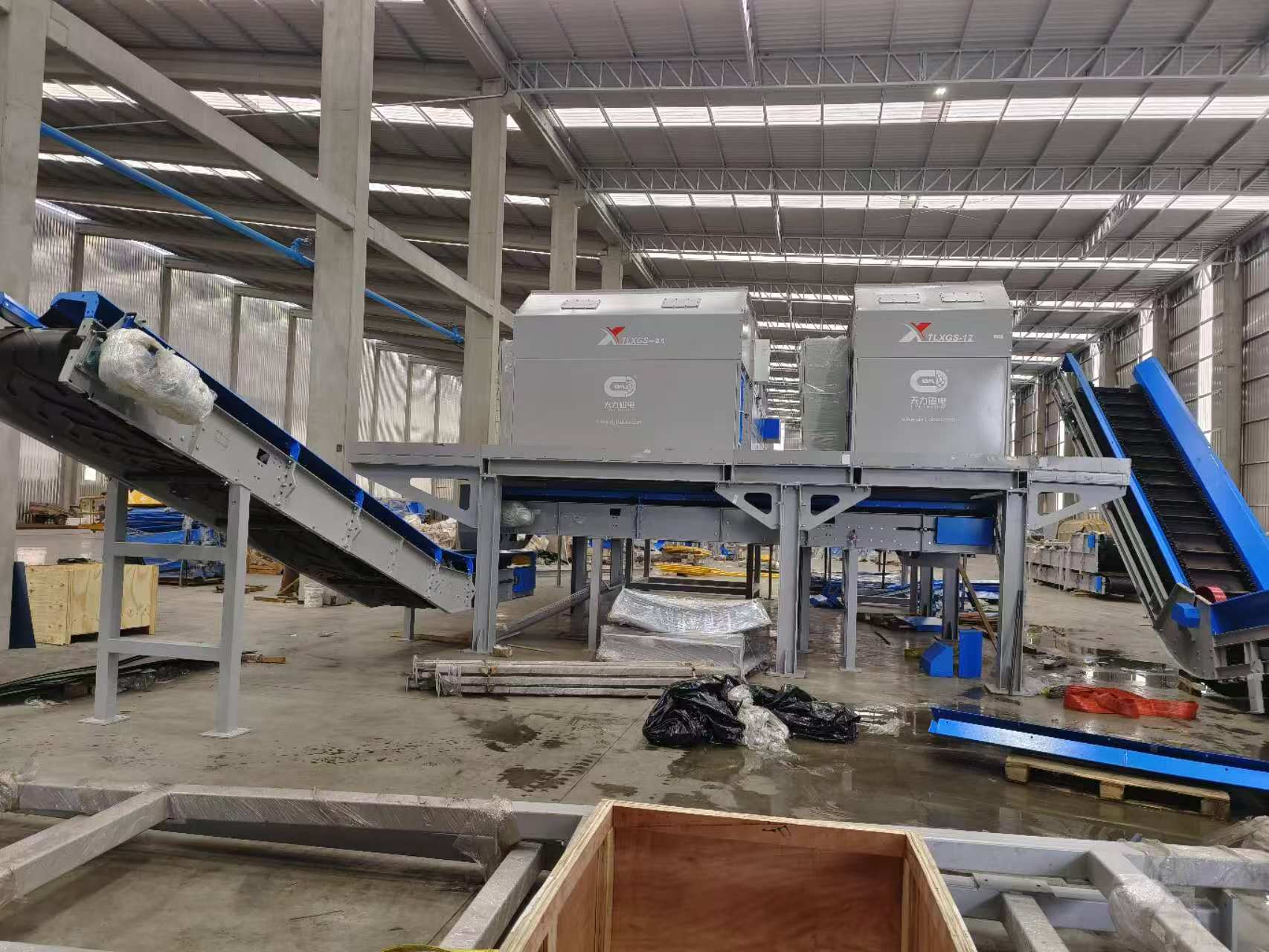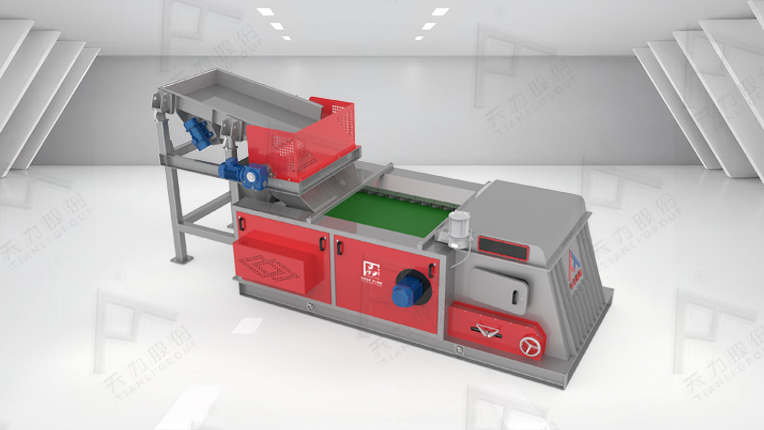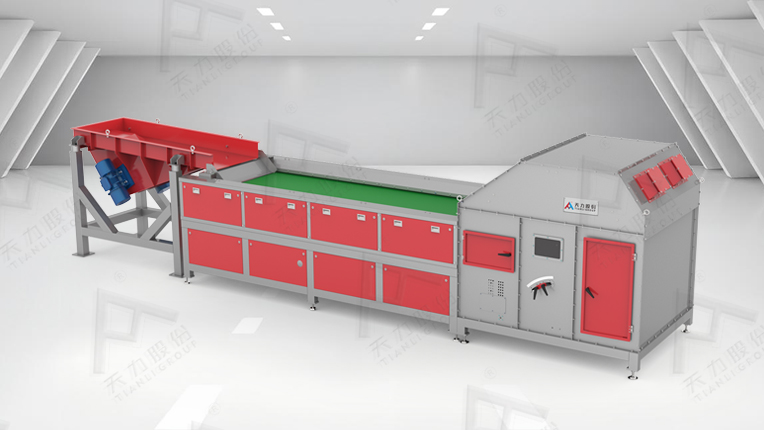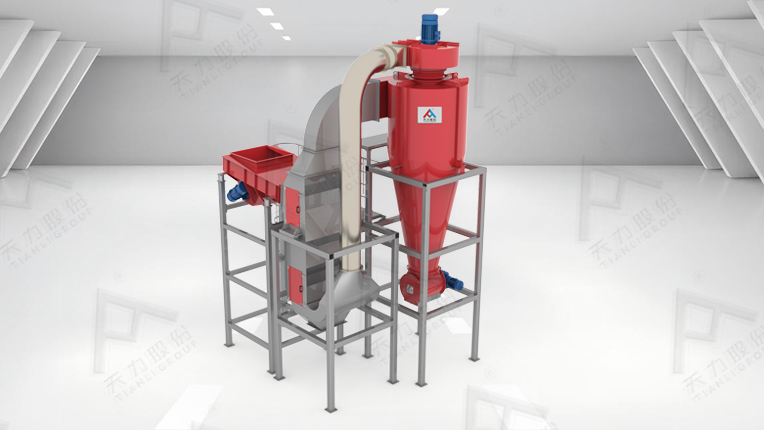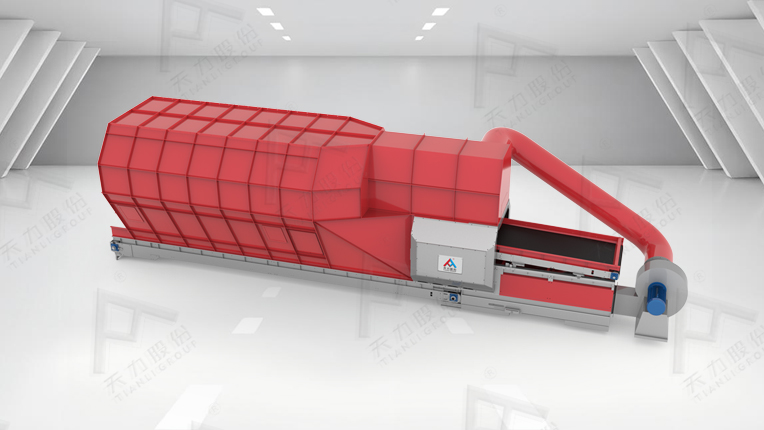

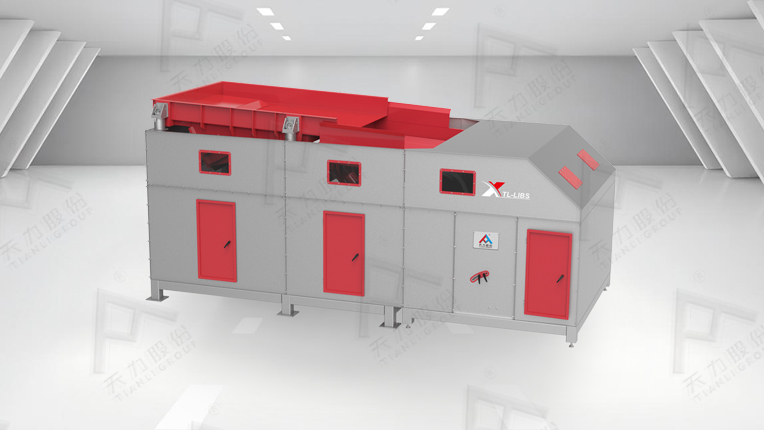
Laser-Induced Breakdown Spectroscopy (LIBS) is an advanced laser technology used for the analysis and identification of metal pieces in their different chemical compositions and alloys. A LIBS sorter fires a high-energy laser pulse onto the material’s surface. The pulse creates a microplasma, whose emitted light characterizes the chemical composition of the metal in its different elements and is analysed by sensors performing a few milliseconds breakdown spectroscopy.
LIBS is a complementary technology to X-ray transmission, which does not perform any chemical breakdown analysis but sorts metals and metal alloys based on their different densities.
LIBS is also a complementary technology to X-ray fluorescence, which also performs a chemical breakdown analysis but presents limitations in performance on light metals like Magnesium and Aluminium alloys because of the low energy of the light they emit under the XRF source.
Although LIBS can do what XRT and XRF do, those technologies are complementary to LIBS because the capital cost of a LIBS sorter on a per-ton-per-hour capacity is quite higher than that of XRT and XRF sorters, making the cascade of those different technologies a more convenient solution.